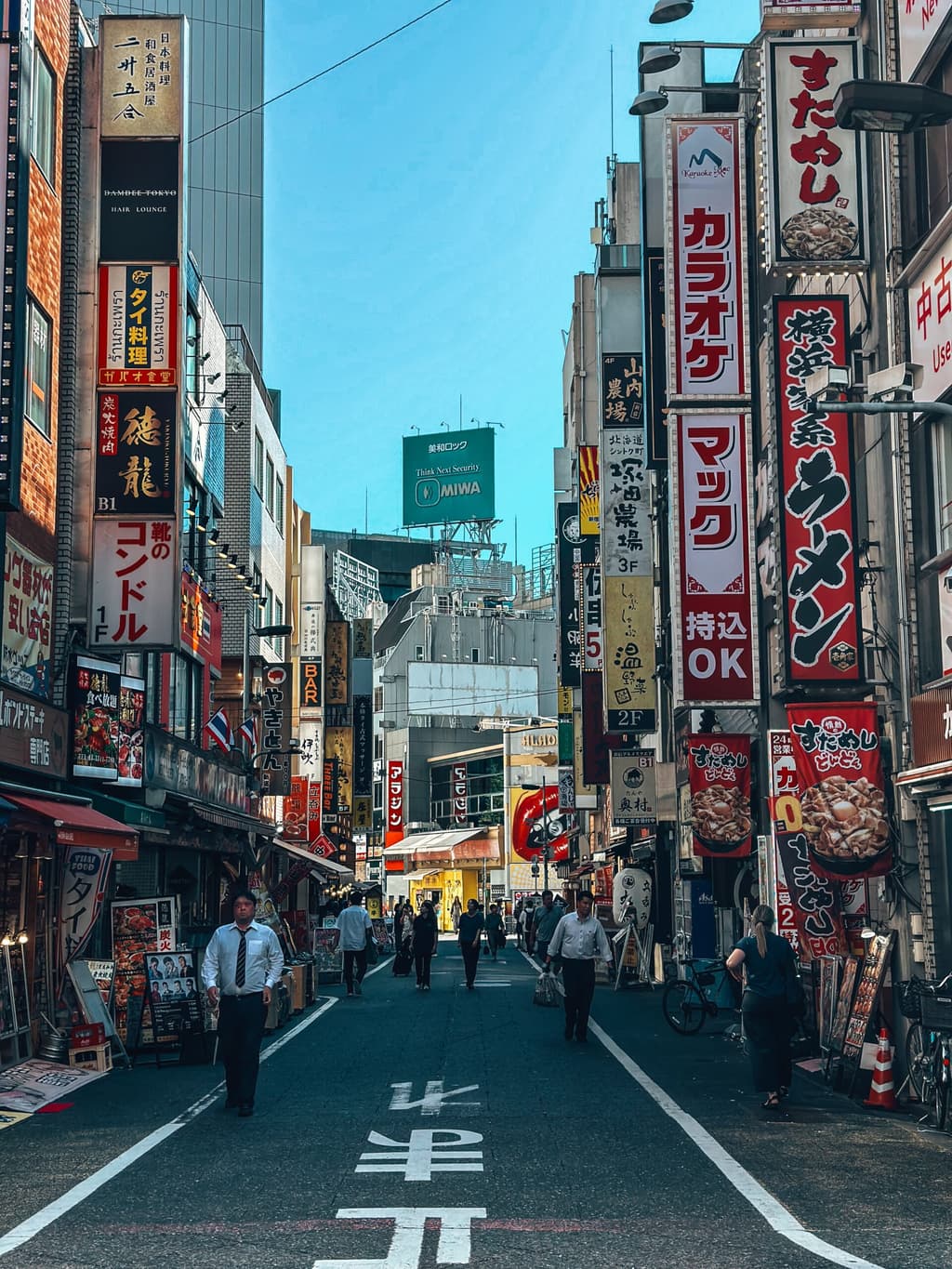
**Current forecasts from multiple sources (WeatherBug, Worldmeteo, Yr.no, Met Office) point to an overnight low in Tokyo on August 26, 2026, near 26–28°C, with several models centering on 27°C.** This aligns with the tight market split between 27°C (44.0%) and 28°C (45.5%), reflecting uncertainty in how much nocturnal cooling will occur. Key differentiating factors include the strength of the urban heat island effect, which retains daytime warmth in concrete-dense areas and typically keeps minimums 1–3°C above rural baselines; southerly or light winds that limit mixing and radiative cooling; high humidity (often 70–90% overnight) that reduces the temperature drop; and any scattered cloud cover or light showers that trap heat. Persistent above-normal warmth across eastern Japan, driven by a strong Pacific high and seasonal patterns, supports these elevated lows, consistent with recent JMA observations of record or near-record August heat. Model differences arise from variations in predicted wind speed, cloud thickness, and exact timing of any weak frontal influences, leading traders to weigh ensemble spreads from agencies like JMA and global numerical weather prediction runs. Resolution hinges on the official Tokyo station minimum (typically the JMA observatory), with updated forecasts over the next 48 hours likely to sharpen the outcome. Historical late-August lows rarely dip below 25°C under similar synoptic setups, reinforcing the narrow 27–28°C focus.
Experimental AI-generated summary referencing Polymarket data. This is not trading advice and plays no role in how this market resolves. · UpdatedLowest temperature in Tokyo on August 26?
Lowest temperature in Tokyo on August 26?
28°C 47%
27°C 44%
25°C 10%
29°C 6%
22°C or below
<1%
23°C
1%
24°C
2%
25°C
10%
26°C
5%
27°C
44%
28°C
47%
29°C
6%
30°C
5%
31°C
<1%
32°C or higher
<1%
28°C 47%
27°C 44%
25°C 10%
29°C 6%
22°C or below
<1%
23°C
1%
24°C
2%
25°C
10%
26°C
5%
27°C
44%
28°C
47%
29°C
6%
30°C
5%
31°C
<1%
32°C or higher
<1%
The resolution source for this market will be information from NOAA, specifically the lowest reading under the "Temp" column for all times on this day, available here: https://www.weather.gov/wrh/timeseries?site=rjtt
To toggle between Fahrenheit and Celsius, click the "Switch to Metric Units" button until the relevant table displays °C.
This market can not resolve until the first data point for the following date has been published on the resolution source.
The resolution source for this market measures temperatures to whole degrees Celsius (eg, 9°C). Thus, this is the level of precision that will be used when resolving the market.
Revisions to temperatures recorded within this market's timeframe will be considered until the first datapoint for the following date has been published, after which any alterations will not be considered.
Market Opened: Aug 24, 2026, 12:30 AM ET
Resolution Source
https://www.weather.gov/wrh/timeseries?site=rjttResolver
0x69c47De9D...The resolution source for this market will be information from NOAA, specifically the lowest reading under the "Temp" column for all times on this day, available here: https://www.weather.gov/wrh/timeseries?site=rjtt
To toggle between Fahrenheit and Celsius, click the "Switch to Metric Units" button until the relevant table displays °C.
This market can not resolve until the first data point for the following date has been published on the resolution source.
The resolution source for this market measures temperatures to whole degrees Celsius (eg, 9°C). Thus, this is the level of precision that will be used when resolving the market.
Revisions to temperatures recorded within this market's timeframe will be considered until the first datapoint for the following date has been published, after which any alterations will not be considered.
Resolution Source
https://www.weather.gov/wrh/timeseries?site=rjttResolver
0x69c47De9D...**Current forecasts from multiple sources (WeatherBug, Worldmeteo, Yr.no, Met Office) point to an overnight low in Tokyo on August 26, 2026, near 26–28°C, with several models centering on 27°C.** This aligns with the tight market split between 27°C (44.0%) and 28°C (45.5%), reflecting uncertainty in how much nocturnal cooling will occur. Key differentiating factors include the strength of the urban heat island effect, which retains daytime warmth in concrete-dense areas and typically keeps minimums 1–3°C above rural baselines; southerly or light winds that limit mixing and radiative cooling; high humidity (often 70–90% overnight) that reduces the temperature drop; and any scattered cloud cover or light showers that trap heat. Persistent above-normal warmth across eastern Japan, driven by a strong Pacific high and seasonal patterns, supports these elevated lows, consistent with recent JMA observations of record or near-record August heat. Model differences arise from variations in predicted wind speed, cloud thickness, and exact timing of any weak frontal influences, leading traders to weigh ensemble spreads from agencies like JMA and global numerical weather prediction runs. Resolution hinges on the official Tokyo station minimum (typically the JMA observatory), with updated forecasts over the next 48 hours likely to sharpen the outcome. Historical late-August lows rarely dip below 25°C under similar synoptic setups, reinforcing the narrow 27–28°C focus.
Experimental AI-generated summary referencing Polymarket data. This is not trading advice and plays no role in how this market resolves. · Updated
Beware of external links.
Beware of external links.
Frequently Asked Questions