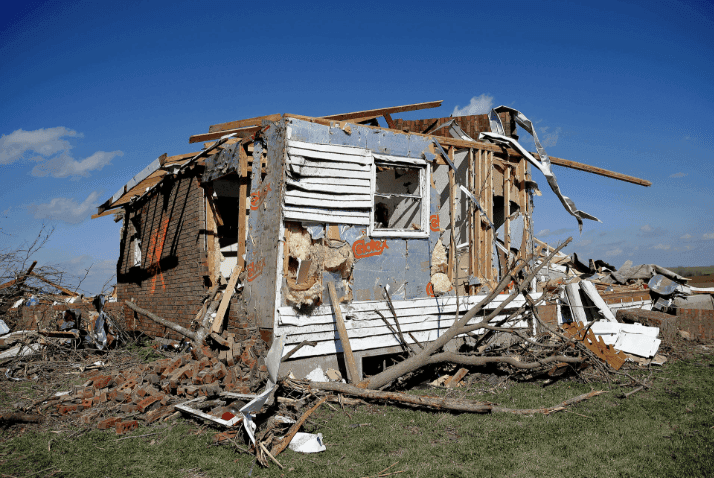
With 12 billion-dollar disasters through June 2026—fifth-highest for any first half on record but well below the pace required to top the 28 events seen in 2023—traders assign a 62% implied probability to “No.” Severe convective storms have driven most counts this year, consistent with the elevated baseline of recent decades, while tropical cyclone activity remains subdued amid typical late-summer steering patterns and no major landfalls yet confirmed by National Hurricane Center guidance. Historical variance in second-half severe weather and Atlantic basin activity supports the current market consensus that reaching or exceeding prior peaks remains unlikely without a sharp uptick in verified events through year-end.
Experimental AI-generated summary referencing Polymarket data. This is not trading advice and plays no role in how this market resolves. · UpdatedWill the US break its record for billion-dollar weather and climate disasters in 2026?
Will the US break its record for billion-dollar weather and climate disasters in 2026?
17% chance
NEW
NEW
Jun 30, 2027
17% chance
NEW
NEW
Jun 30, 2027
This market resolves to "Yes" if Climate Central's U.S. Billion-Dollar Weather and Climate Disasters report for calendar year 2026 counts more than 28 separate billion-dollar weather and climate disaster events. The standing record is 28 events, set in 2023. A count of 28 or fewer resolves this market to "No".
The controlling figure is the number of billion-dollar events attributed to calendar year 2026 in Climate Central's report (https://www.climatecentral.org/climate-services/billion-dollar-disasters), using Climate Central's standard cost-estimation and inflation-adjustment methodology; Climate Central now stewards this NOAA/NCEI dataset under the same methodology and original lead scientist. Whether an event qualifies, and how events are delineated and counted, follow Climate Central's published enumeration. Preliminary or year-to-date counts released during 2026 do not determine resolution; only the count attributed to the full 2026 calendar year controls.
Climate Central typically publishes its annual tally in January of the following year. The controlling count is the figure Climate Central attributes to calendar year 2026 as reflected in its most recent publication as of June 30, 2027, accounting for any revisions Climate Central makes after its initial release.
If Climate Central has not published any count covering the full 2026 calendar year by June 30, 2027, resolution will be based on the most recent publicly available full-year 2026 count produced under the same NOAA/NCEI methodology by a credible successor steward. If no such count exists, this market resolves to "No".With 12 billion-dollar disasters through June 2026—fifth-highest for any first half on record but well below the pace required to top the 28 events seen in 2023—traders assign a 62% implied probability to “No.” Severe convective storms have driven most counts this year, consistent with the elevated baseline of recent decades, while tropical cyclone activity remains subdued amid typical late-summer steering patterns and no major landfalls yet confirmed by National Hurricane Center guidance. Historical variance in second-half severe weather and Atlantic basin activity supports the current market consensus that reaching or exceeding prior peaks remains unlikely without a sharp uptick in verified events through year-end.
This market resolves to "Yes" if Climate Central's U.S. Billion-Dollar Weather and Climate Disasters report for calendar year 2026 counts more than 28 separate billion-dollar weather and climate disaster events. The standing record is 28 events, set in 2023. A count of 28 or fewer resolves this market to "No".
The controlling figure is the number of billion-dollar events attributed to calendar year 2026 in Climate Central's report (https://www.climatecentral.org/climate-services/billion-dollar-disasters), using Climate Central's standard cost-estimation and inflation-adjustment methodology; Climate Central now stewards this NOAA/NCEI dataset under the same methodology and original lead scientist. Whether an event qualifies, and how events are delineated and counted, follow Climate Central's published enumeration. Preliminary or year-to-date counts released during 2026 do not determine resolution; only the count attributed to the full 2026 calendar year controls.
Climate Central typically publishes its annual tally in January of the following year. The controlling count is the figure Climate Central attributes to calendar year 2026 as reflected in its most recent publication as of June 30, 2027, accounting for any revisions Climate Central makes after its initial release.
If Climate Central has not published any count covering the full 2026 calendar year by June 30, 2027, resolution will be based on the most recent publicly available full-year 2026 count produced under the same NOAA/NCEI methodology by a credible successor steward. If no such count exists, this market resolves to "No".
The controlling figure is the number of billion-dollar events attributed to calendar year 2026 in Climate Central's report (https://www.climatecentral.org/climate-services/billion-dollar-disasters), using Climate Central's standard cost-estimation and inflation-adjustment methodology; Climate Central now stewards this NOAA/NCEI dataset under the same methodology and original lead scientist. Whether an event qualifies, and how events are delineated and counted, follow Climate Central's published enumeration. Preliminary or year-to-date counts released during 2026 do not determine resolution; only the count attributed to the full 2026 calendar year controls.
Climate Central typically publishes its annual tally in January of the following year. The controlling count is the figure Climate Central attributes to calendar year 2026 as reflected in its most recent publication as of June 30, 2027, accounting for any revisions Climate Central makes after its initial release.
If Climate Central has not published any count covering the full 2026 calendar year by June 30, 2027, resolution will be based on the most recent publicly available full-year 2026 count produced under the same NOAA/NCEI methodology by a credible successor steward. If no such count exists, this market resolves to "No".
Market Opened: Aug 19, 2026, 12:44 PM ET
Volume
$41End Date
Jul 1, 2027Market Opened
Aug 19, 2026, 12:44 PM ETResolver
0x65070BE91...This market resolves to "Yes" if Climate Central's U.S. Billion-Dollar Weather and Climate Disasters report for calendar year 2026 counts more than 28 separate billion-dollar weather and climate disaster events. The standing record is 28 events, set in 2023. A count of 28 or fewer resolves this market to "No".
The controlling figure is the number of billion-dollar events attributed to calendar year 2026 in Climate Central's report (https://www.climatecentral.org/climate-services/billion-dollar-disasters), using Climate Central's standard cost-estimation and inflation-adjustment methodology; Climate Central now stewards this NOAA/NCEI dataset under the same methodology and original lead scientist. Whether an event qualifies, and how events are delineated and counted, follow Climate Central's published enumeration. Preliminary or year-to-date counts released during 2026 do not determine resolution; only the count attributed to the full 2026 calendar year controls.
Climate Central typically publishes its annual tally in January of the following year. The controlling count is the figure Climate Central attributes to calendar year 2026 as reflected in its most recent publication as of June 30, 2027, accounting for any revisions Climate Central makes after its initial release.
If Climate Central has not published any count covering the full 2026 calendar year by June 30, 2027, resolution will be based on the most recent publicly available full-year 2026 count produced under the same NOAA/NCEI methodology by a credible successor steward. If no such count exists, this market resolves to "No".With 12 billion-dollar disasters through June 2026—fifth-highest for any first half on record but well below the pace required to top the 28 events seen in 2023—traders assign a 62% implied probability to “No.” Severe convective storms have driven most counts this year, consistent with the elevated baseline of recent decades, while tropical cyclone activity remains subdued amid typical late-summer steering patterns and no major landfalls yet confirmed by National Hurricane Center guidance. Historical variance in second-half severe weather and Atlantic basin activity supports the current market consensus that reaching or exceeding prior peaks remains unlikely without a sharp uptick in verified events through year-end.
This market resolves to "Yes" if Climate Central's U.S. Billion-Dollar Weather and Climate Disasters report for calendar year 2026 counts more than 28 separate billion-dollar weather and climate disaster events. The standing record is 28 events, set in 2023. A count of 28 or fewer resolves this market to "No".
The controlling figure is the number of billion-dollar events attributed to calendar year 2026 in Climate Central's report (https://www.climatecentral.org/climate-services/billion-dollar-disasters), using Climate Central's standard cost-estimation and inflation-adjustment methodology; Climate Central now stewards this NOAA/NCEI dataset under the same methodology and original lead scientist. Whether an event qualifies, and how events are delineated and counted, follow Climate Central's published enumeration. Preliminary or year-to-date counts released during 2026 do not determine resolution; only the count attributed to the full 2026 calendar year controls.
Climate Central typically publishes its annual tally in January of the following year. The controlling count is the figure Climate Central attributes to calendar year 2026 as reflected in its most recent publication as of June 30, 2027, accounting for any revisions Climate Central makes after its initial release.
If Climate Central has not published any count covering the full 2026 calendar year by June 30, 2027, resolution will be based on the most recent publicly available full-year 2026 count produced under the same NOAA/NCEI methodology by a credible successor steward. If no such count exists, this market resolves to "No".
The controlling figure is the number of billion-dollar events attributed to calendar year 2026 in Climate Central's report (https://www.climatecentral.org/climate-services/billion-dollar-disasters), using Climate Central's standard cost-estimation and inflation-adjustment methodology; Climate Central now stewards this NOAA/NCEI dataset under the same methodology and original lead scientist. Whether an event qualifies, and how events are delineated and counted, follow Climate Central's published enumeration. Preliminary or year-to-date counts released during 2026 do not determine resolution; only the count attributed to the full 2026 calendar year controls.
Climate Central typically publishes its annual tally in January of the following year. The controlling count is the figure Climate Central attributes to calendar year 2026 as reflected in its most recent publication as of June 30, 2027, accounting for any revisions Climate Central makes after its initial release.
If Climate Central has not published any count covering the full 2026 calendar year by June 30, 2027, resolution will be based on the most recent publicly available full-year 2026 count produced under the same NOAA/NCEI methodology by a credible successor steward. If no such count exists, this market resolves to "No".
Volume
$41End Date
Jul 1, 2027Market Opened
Aug 19, 2026, 12:44 PM ETResolver
0x65070BE91...With 12 billion-dollar disasters through June 2026—fifth-highest for any first half on record but well below the pace required to top the 28 events seen in 2023—traders assign a 62% implied probability to “No.” Severe convective storms have driven most counts this year, consistent with the elevated baseline of recent decades, while tropical cyclone activity remains subdued amid typical late-summer steering patterns and no major landfalls yet confirmed by National Hurricane Center guidance. Historical variance in second-half severe weather and Atlantic basin activity supports the current market consensus that reaching or exceeding prior peaks remains unlikely without a sharp uptick in verified events through year-end.
Experimental AI-generated summary referencing Polymarket data. This is not trading advice and plays no role in how this market resolves. · Updated
Beware of external links.
Beware of external links.
Frequently Asked Questions