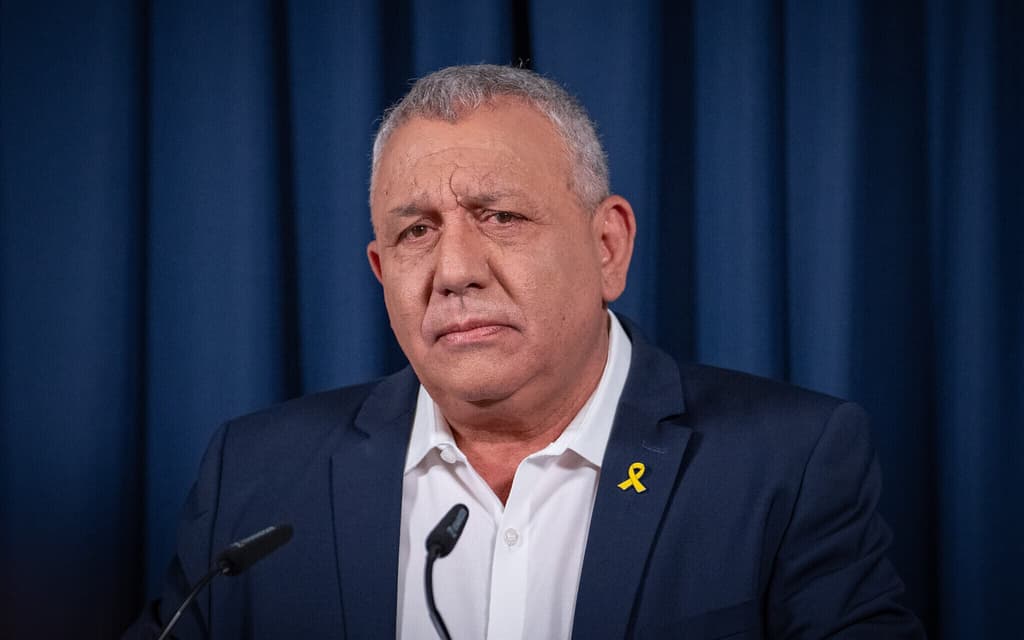
Gadi Eisenkot, leader of the centrist Yashar party, has not joined the Together alliance formed by Naftali Bennett and Yair Lapid in April 2026 despite an open number-two slot on their joint list. Lapid publicly anticipated an announcement by mid-June, yet Eisenkot has instead run independently, with Yashar surging in polls to challenge or lead both Together and Likud ahead of the October 27 election. This shift reflects Eisenkot’s stronger standalone positioning among centrist and soft-right voters, his emphasis on a broad Zionist majority, and reluctance to merge amid polling gains that reduce the incentive for alliance. Bennett and Lapid’s bloc has meanwhile lost ground, highlighting the competitive dynamics and Eisenkot’s strategic preference for autonomy over consolidation.
Experimental AI-generated summary referencing Polymarket data. This is not trading advice and plays no role in how this market resolves. · UpdatedWill Eisenkot join the Bennett-Lapid alliance by...?
Will Eisenkot join the Bennett-Lapid alliance by...?
$95,686 Vol.
August 31, 2026
1%
$95,686 Vol.
August 31, 2026
1%
1) The Yashar party ("Yashar! With Eisenkot") or the Together Party announce that the Yashar party will merge with, or contest the 2026 Israeli legislative election on a joint candidate list with, the Together party.
2) Gadi Eisenkot or the Together party announce that Gadi Eisenkot will run on the Together party’s candidate list for the 2026 Israeli legislative election.
Only definitive announcements will qualify. Suggestions, negotiations, offers, invitations, or other non-definitive statements will not count.
If the Together party undergoes a merger, name change, or other restructuring, the resulting party or alliance will be considered the Together party for purposes of this market, provided both Naftali Bennett and Yair Lapid are members of the resulting party or alliance.
If the Yashar party undergoes a merger, name change, or other restructuring, the resulting party, alliance, or candidate list will be considered the Yashar party for purposes of this market, provided Gadi Eisenkot is a member of the resulting party, alliance, or candidate list.
The primary resolution source will be official information from the Yashar party, the Together party, Gadi Eisenkot, Naftali Bennett, and Yair Lapid; however, a consensus of credible reporting may also be used.
Market Opened: Jun 28, 2026, 5:52 PM ET
Resolver
0x65070BE91...1) The Yashar party ("Yashar! With Eisenkot") or the Together Party announce that the Yashar party will merge with, or contest the 2026 Israeli legislative election on a joint candidate list with, the Together party.
2) Gadi Eisenkot or the Together party announce that Gadi Eisenkot will run on the Together party’s candidate list for the 2026 Israeli legislative election.
Only definitive announcements will qualify. Suggestions, negotiations, offers, invitations, or other non-definitive statements will not count.
If the Together party undergoes a merger, name change, or other restructuring, the resulting party or alliance will be considered the Together party for purposes of this market, provided both Naftali Bennett and Yair Lapid are members of the resulting party or alliance.
If the Yashar party undergoes a merger, name change, or other restructuring, the resulting party, alliance, or candidate list will be considered the Yashar party for purposes of this market, provided Gadi Eisenkot is a member of the resulting party, alliance, or candidate list.
The primary resolution source will be official information from the Yashar party, the Together party, Gadi Eisenkot, Naftali Bennett, and Yair Lapid; however, a consensus of credible reporting may also be used.
Resolver
0x65070BE91...Gadi Eisenkot, leader of the centrist Yashar party, has not joined the Together alliance formed by Naftali Bennett and Yair Lapid in April 2026 despite an open number-two slot on their joint list. Lapid publicly anticipated an announcement by mid-June, yet Eisenkot has instead run independently, with Yashar surging in polls to challenge or lead both Together and Likud ahead of the October 27 election. This shift reflects Eisenkot’s stronger standalone positioning among centrist and soft-right voters, his emphasis on a broad Zionist majority, and reluctance to merge amid polling gains that reduce the incentive for alliance. Bennett and Lapid’s bloc has meanwhile lost ground, highlighting the competitive dynamics and Eisenkot’s strategic preference for autonomy over consolidation.
Experimental AI-generated summary referencing Polymarket data. This is not trading advice and plays no role in how this market resolves. · Updated

Beware of external links.
Beware of external links.
Frequently Asked Questions