
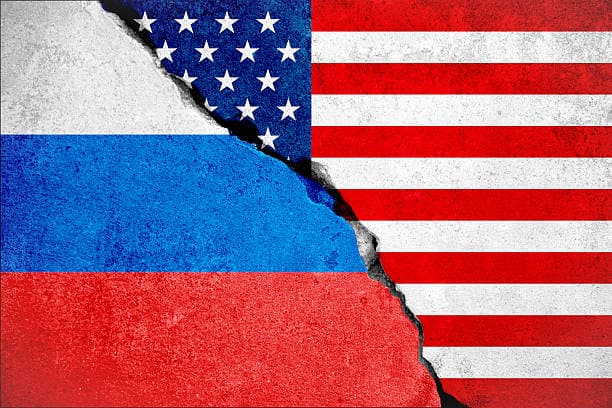
U.S.-Russia nuclear arms control remains stalled following the February 5, 2026, expiration of the New START treaty, which ended the last binding limits on deployed strategic warheads and delivery vehicles. Russia proposed a voluntary one-year extension of central numerical caps without inspections, but the U.S. administration instead called for negotiations on a new, modernized agreement, potentially multilateral and including China. As of mid-August 2026, Russian officials have signaled openness to renewed strategic stability talks alongside Ukraine-related diplomacy, including recent meetings between U.S. and Russian foreign ministers. Key factors shaping prospects include verification disputes, demands to address nonstrategic weapons and third-country arsenals, and linkage to broader bilateral security issues. No formal negotiations have resumed since earlier suspensions, leaving trader assessments dependent on near-term diplomatic progress or escalation signals.
Experimental AI-generated summary referencing Polymarket data. This is not trading advice and plays no role in how this market resolves. · UpdatedU.S. x Russia Nuclear deal by...?
U.S. x Russia Nuclear deal by...?
$660,817 Vol.
September 30
7%
December 31
5%
$660,817 Vol.
September 30
7%
December 31
5%
Only agreements that are publicly announced and acknowledged by both the U.S. and Russia will qualify. The agreement must pertain to nuclear arms control or limitation—such as a treaty, framework, or memorandum—addressing matters including (but not limited to) nuclear warheads, delivery systems, verification mechanisms, or strategic stability.
An extension, amendment, or replacement of the New START treaty will qualify, provided it is publicly announced as a concluded agreement by both parties within the time frame. Exploratory discussions or stated intent to extend without a finalized agreement will not qualify.
Agreements that include both the United States and Russia as named parties—whether bilateral or as part of a broader multilateral framework—will qualify, provided the agreement directly addresses nuclear arms control.
The agreement does not need to be ratified or implemented for this market to resolve "Yes"; a formal announcement of a concluded agreement is sufficient.
The primary resolution source for this market will be official statements from the U.S. government (e.g., the White House, State Department) and/or the Russian Federation (e.g., the Kremlin, Ministry of Foreign Affairs). However, a clear and overwhelming consensus of credible reporting confirming that such an agreement has been reached will also qualify.
Market Opened: Jul 29, 2026, 2:38 PM ET
Resolver
0x65070BE91...Only agreements that are publicly announced and acknowledged by both the U.S. and Russia will qualify. The agreement must pertain to nuclear arms control or limitation—such as a treaty, framework, or memorandum—addressing matters including (but not limited to) nuclear warheads, delivery systems, verification mechanisms, or strategic stability.
An extension, amendment, or replacement of the New START treaty will qualify, provided it is publicly announced as a concluded agreement by both parties within the time frame. Exploratory discussions or stated intent to extend without a finalized agreement will not qualify.
Agreements that include both the United States and Russia as named parties—whether bilateral or as part of a broader multilateral framework—will qualify, provided the agreement directly addresses nuclear arms control.
The agreement does not need to be ratified or implemented for this market to resolve "Yes"; a formal announcement of a concluded agreement is sufficient.
The primary resolution source for this market will be official statements from the U.S. government (e.g., the White House, State Department) and/or the Russian Federation (e.g., the Kremlin, Ministry of Foreign Affairs). However, a clear and overwhelming consensus of credible reporting confirming that such an agreement has been reached will also qualify.
Resolver
0x65070BE91...U.S.-Russia nuclear arms control remains stalled following the February 5, 2026, expiration of the New START treaty, which ended the last binding limits on deployed strategic warheads and delivery vehicles. Russia proposed a voluntary one-year extension of central numerical caps without inspections, but the U.S. administration instead called for negotiations on a new, modernized agreement, potentially multilateral and including China. As of mid-August 2026, Russian officials have signaled openness to renewed strategic stability talks alongside Ukraine-related diplomacy, including recent meetings between U.S. and Russian foreign ministers. Key factors shaping prospects include verification disputes, demands to address nonstrategic weapons and third-country arsenals, and linkage to broader bilateral security issues. No formal negotiations have resumed since earlier suspensions, leaving trader assessments dependent on near-term diplomatic progress or escalation signals.
Experimental AI-generated summary referencing Polymarket data. This is not trading advice and plays no role in how this market resolves. · Updated

Beware of external links.
Beware of external links.
Frequently Asked Questions